3 / 10

Maxal Tamor/Shutterstock
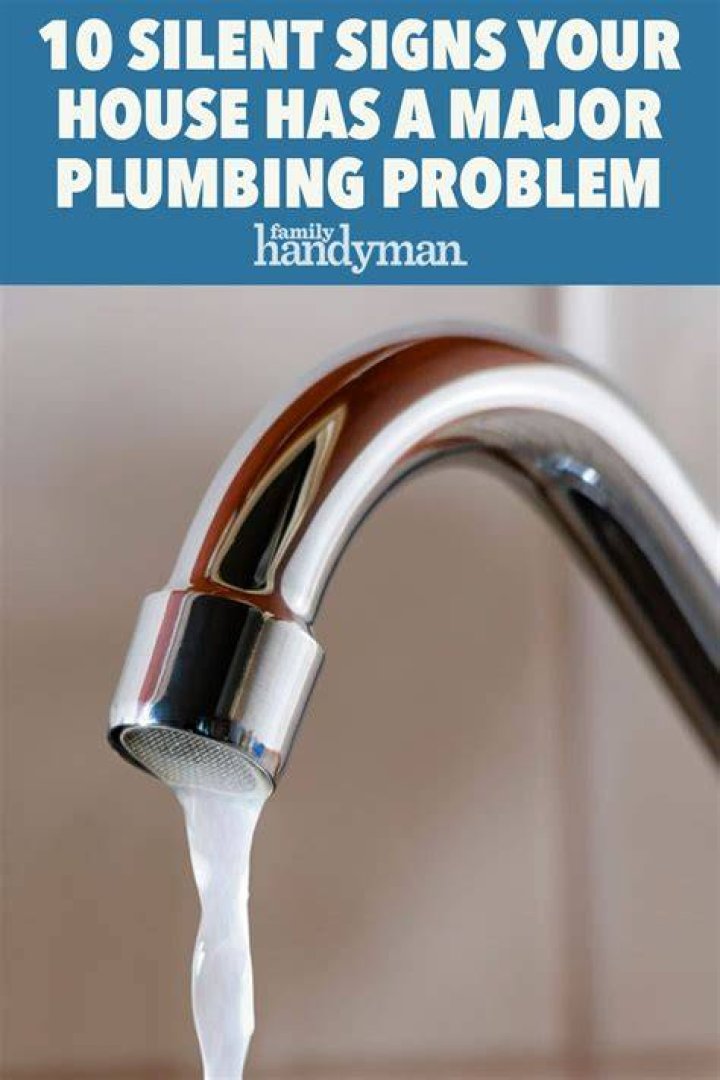
Weak Water Flow in Multiple Locations
A slow stream or low water pressure indicates an issue in distribution. If it’s only occurring at one location, it’s usually an issue in the faucet aerator—which is usually an easy fix. But if the water pressure is low in several spots around your home, that’s the sign of a bigger problem. In that case, you’re looking for a problem at the water main, in the hot water heater, or (worst case) an active leak in the supply line. If you’re seeing low water pressure in conjunction with some of the other items on this list, such as bubbling wall paint, it’s imperative that you take action right away. If you simply would like to have a stronger flow at your faucets, here’s how to boost the water pressure in your home.
4 / 10
sasha2109/Shutterstock
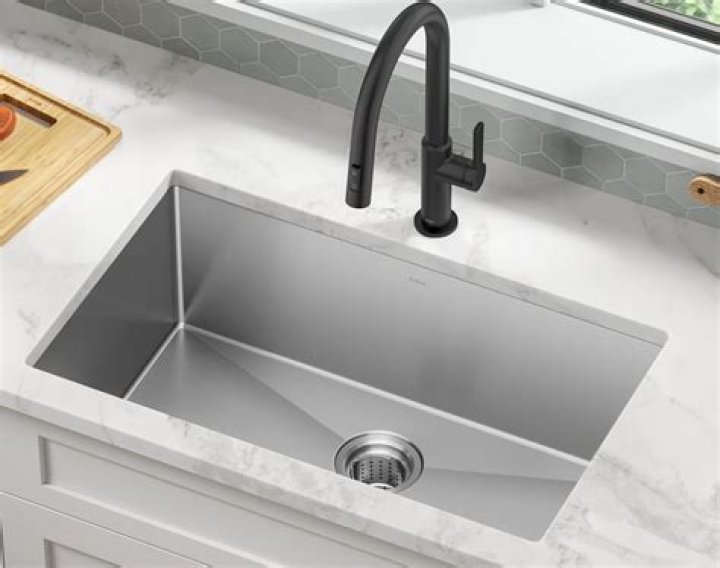
Slow Drain
It’s no surprise that a slow drain is a sign of a problem in your plumbing. Depending on where the issue is, it may be an easily removed clog near the drain, or it could be an issue farther down the line that will require significant snaking to resolve. Luckily, a little bit of detective work should help zero in on the problem. Cleaning out a simple clog is a great DIY fix, but slow drains throughout the home are often an indicator that there may be a major issue, like tree roots, in the sewer line. Here’s how to unclog a sink drain without using chemicals.
5 / 10
Paul Tessier/Shutterstock
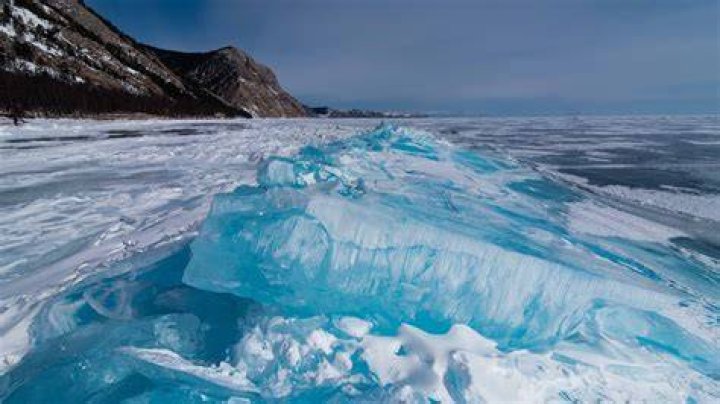
No Water in Winter
If your water pressure suddenly drops or completely ceases in the middle of winter, there’s a chance that your pipes have frozen. This is a major issue and needs to be dealt with immediately.
An especially common problem in homes where the supply lines run through an attic, crawlspace, or other unheated space, frozen pipes hold the biggest danger once they thaw. That ice is acting as a plug, holding back the water from rushing out any splits that may have occurred. If you think you might be dealing with this issue, step through the troubleshooting carefully, and prepare to deal with a leak. If you get lucky enough to have the frozen pipes thaw without issue (copper pipes can expand slightly without bursting), don’t count on being that lucky the next time. Take steps immediately to fix the situation. Here’s how to prevent frozen pipes with a combination of insulation and warm air.