
The Bourne franchise changed the action genre in many ways; while some of these changes were for the better, others intensified key genre problems.
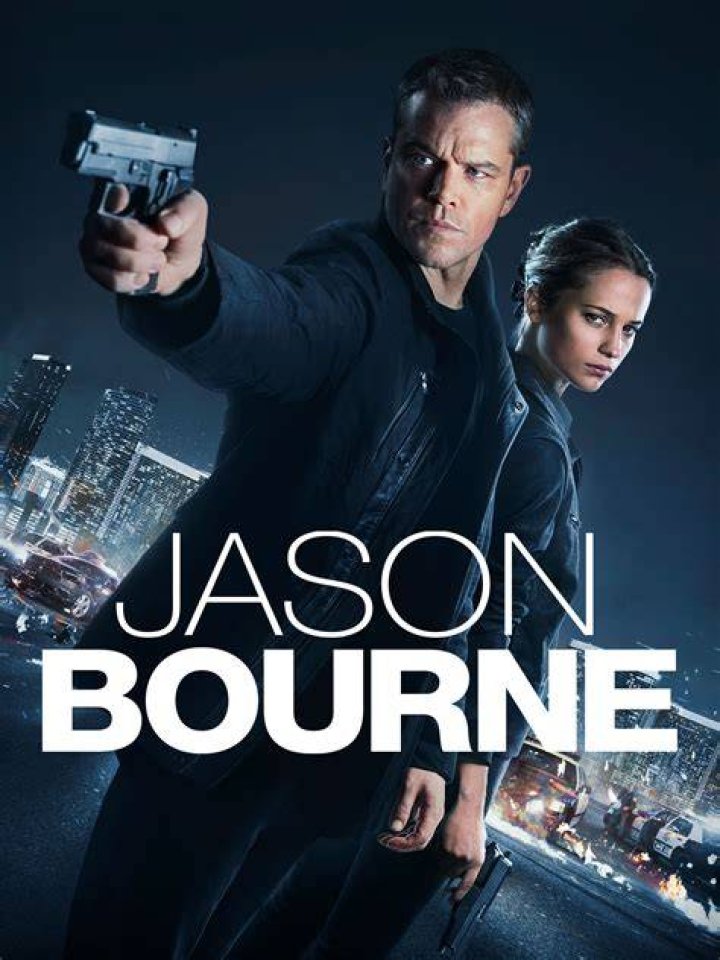
The Jason Bourne franchise is one of the most influential modern action series in recent memory, but not all of its contributions to the genre have been positive. Upon its release, the 2002 action-thriller The Bourne Identity was an instant hit. The gripping film followed the titular Jason Bourne, an amnesiac whose attempt to discover the origin of his own identity and particular set of skills made him the target of a shadowy intelligence agency. It was a taut, endlessly re-watchable movie that spawned a critically acclaimed trilogy, a standalone spinoff, and a legacy sequel.
The franchise’s profitability and cultural resonance made a significant impact on the action genre as a whole. Not only did Bourne reinvigorate the spy thriller, but its graphic fight scenes featured a then-unprecedented physical intensity. Even its car chase scenes set a new standard. However, any franchise that influences the cinema landscape as heavily as Bourne was bound to have unintended consequences too. Some of the franchise's lasting impacts are a direct result of the ways in which it reconfigured cinematic language, while others were simply a repercussion of being so commercially viable.
8 Overemphasis On Shaky Cam & Rapid Editing
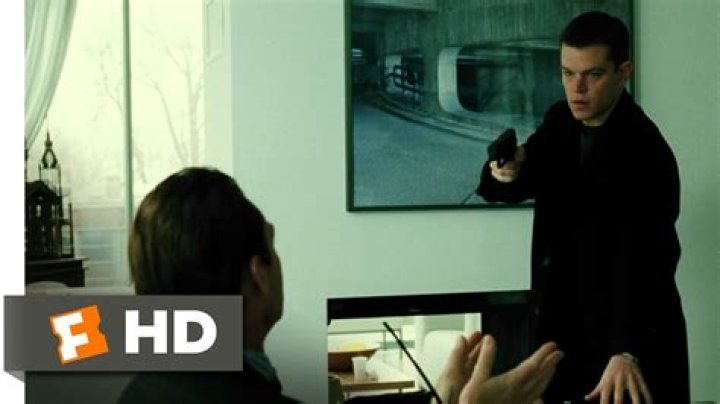
The most well-known visual trademark of the Bourne series was its handheld filmmaking, which employed a shaky cam and rapid cuts in order to give the action scenes a realistic sense of chaos. The technique was introduced by Bourne Identity director Doug Liman and further intensified by his successor, Paul Greengrass. While these directors prioritized clear blocking and choreography, imitators of the action style failed to meet the same standards of comprehensibility. Blockbusters like Taken and Quantum of Solace are prime examples of films plagued by shaky, muddled cinematography.
7 Diminishing Practical Stunts
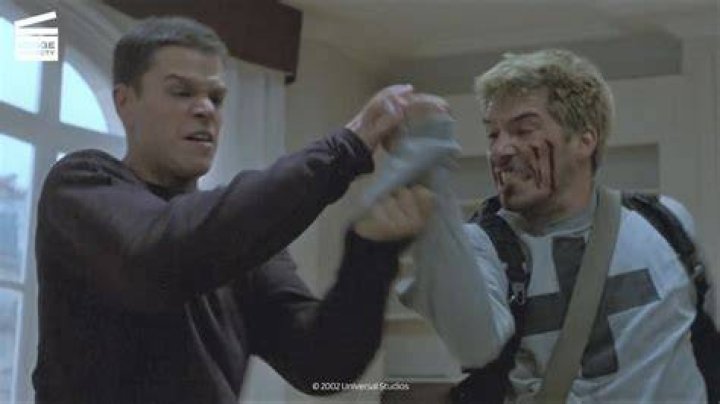
The Bourne series broke new cinematic ground with its focus on realistic close-quarters combat. The style made the action feel more tangible; even the stakes felt more real. However, this intimacy came at the cost of the ambitious, practical stunt work that a typical action blockbuster thrills its audience with. The rapid cuts allowed filmmakers to execute intricate fight sequences or ambitious physical feats without relying too heavily on elaborate stunt work. The action of the John Wick movies could be read as a reaction to this Bourne-made trend.
6 Realism Obsession

Similarly, the grounded, close-quarters action of the Bourne franchise, which quickly found its way into other action films, deprived action movies of their sense of scale. One of the joys of blockbuster cinema is the sheer ambition of the setpieces films employ. For example, the epic and inventive train sequence in Mission: Impossible 7 was rich with creativity that encouraged people to see a movie in theaters. In the hands of lesser directors, the realistic, intimate action of Bourne derivatives could feel muted and boring by comparison.
5 Neglect Of Character Development & Storytelling

The Bourne movies were a consistent example of engaging, well-executed action that effortlessly maintained viewers' attention. However, the breathless momentum came at the cost of the films' more traditional narrative elements. Meaningful story arcs and character development were largely subsumed by the need to maintain tension, so scenes moved furiously from one setpiece to the next. In the Bourne trilogy, the strength of Matt Damon’s performance and the engaging central mystery helped, but imitations of the series failed to make up for thin plots and characters.
4 Proliferation Of Excessive Violence

Brutal on-screen violence is not necessarily a negative when used meaningfully. In the Bourne films, the brutality was consistent with the tone of the series, rendering the stakes even more realistic. However, the violence of the Bourne films quickly lost its charm when handled by lesser filmmakers. From The Punisher to Hitman, the deluge of gritty, ultra-violent action films influenced by The Bourne Identity haven't featured ferocity that was grounded by purpose. Instead, it was all employed in an attempt to be edgy.
3 Minimal Humor
While not every action blockbuster needs to be on par with Marvel films' barrage of humor and comic-relief quips, a smattering of lighthearted beats can help underscore the gravity of an especially dark moment. Even Christopher Nolan's Dark Knight trilogy threw in a joke every once in a while to ease the overwhelmingly somber tone. The Bourne films were light on humor, relying on the chemistry between central characters to support the relentless tension. Many other 2000s action films followed Bourne’s lead, misinterpreting life-like grit to mean a reality that's devoid of humor.
2 Impact On International Locations
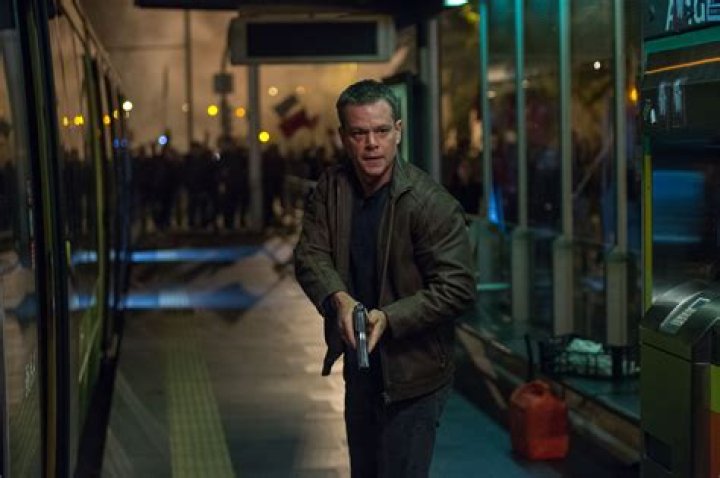
As a sharp reinvention of the spy-thriller genre, the Bourne movies reinvigorated the globetrotting central character trope. Jason Bourne travels to numerous countries — and none of them were glamorized. Instead, the location change contributed to the series’ momentum. Bourne's immersion in unfamiliar cultures only heightened the amnesiac's sense of bewilderment and alienation. Many films imitate Bourne’s globetrotting tendencies without the same level of consideration. For example, Fast & Furious still prioritizes flashy locales over plot or substance.
1 Influence On Sequel Culture
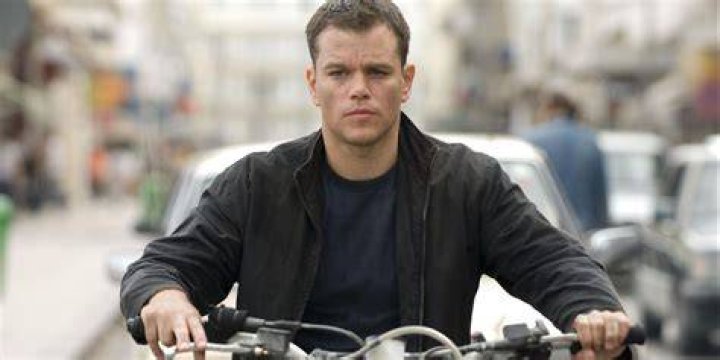
Hollywood’s problem with sequels is far bigger than the Bourne series. Nonetheless, action cinema has seen a massive creative bottleneck in recent years. The financial success of the Bourne franchise continued long after The Bourne Ultimatum's neat conclusion, underscoring Hollywood’s enduring reliance on established IP. It’s hard not to wonder what great new works of action filmmaking might have been produced had the studio backed an original concept in lieu of 2016’s Jason Bourne. After all, such a move might have led to the discovery of a new generation's Bourne Identity.