

Fasting is a common practice observed by individuals for various reasons, including religious, spiritual, or health purposes. While fasting can have numerous benefits for the mind and body, some women may experience changes in their vaginal discharge during this period. In this blog post, we will explore the causes, concerns, and solutions related to female discharge during fasting.
What is Female Discharge?
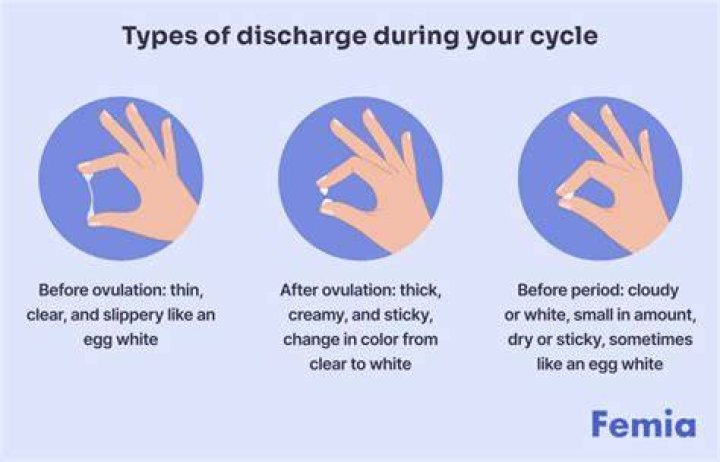
Female discharge, also known as vaginal discharge, is a normal and healthy occurrence in women. It refers to the fluid that is produced by the glands in the vagina and cervix. The consistency, color, and odor of the discharge can vary throughout the menstrual cycle and may be influenced by factors such as hormonal changes, sexual activity, and overall health.
Changes in Female Discharge During Fasting
During fasting, some women may notice changes in their vaginal discharge. These changes can be attributed to various factors, including:
-
Hormonal fluctuations: Fasting can affect hormone levels in the body, leading to changes in vaginal discharge.
-
Dehydration: Reduced fluid intake during fasting can result in dehydration, which may impact the consistency and volume of vaginal discharge.
-
Stress: Fasting can cause stress on the body, which can influence hormonal balance and vaginal discharge.
Concerns and Potential Issues
While changes in vaginal discharge during fasting are generally normal, it is essential to be aware of any concerning symptoms or signs of infection. If you experience any of the following, it is recommended to seek medical advice:
-
Strong, unpleasant odor
-
Itching or irritation
-
Abnormal color (e.g., green, yellow, or gray)
-
Pain or discomfort
-
Excessive discharge
Solutions and Management
If you are experiencing changes in your vaginal discharge during fasting, there are several steps you can take to manage the issue effectively:
- Stay hydrated: Ensure you are drinking enough water during non-fasting hours to prevent dehydration and maintain vaginal health.
- Maintain hygiene: Practice good hygiene by washing the genital area with mild, unscented soap and water.
- Wear breathable underwear: Opt for cotton underwear to allow proper airflow and reduce moisture.
- Avoid douching: Douching can disrupt the natural balance of bacteria in the vagina and should be avoided.
- Consult a healthcare professional: If you have concerns or persistent symptoms, it is advisable to consult a healthcare professional who can provide personalized guidance and support.
Frequently Asked Questions
Q: Is it normal to have increased discharge during fasting?
A: Yes, hormonal changes and dehydration during fasting can lead to increased vaginal discharge.
Q: Can fasting cause vaginal infections?
A: While fasting itself does not directly cause vaginal infections, dehydration and hormonal changes can create an environment that is more susceptible to infections.
Q: How can I differentiate between normal discharge and an infection?
A: Normal discharge is usually clear or white, odorless or with a mild scent, and does not cause itching or discomfort. If you notice any significant changes in color, odor, or experience discomfort, it is best to consult a healthcare professional.
Q: Can Statcare help with managing female discharge
during fasting?
A: Statcare is a leading digital health platform that offers comprehensive healthcare solutions. While we do not specifically address female discharge during fasting, our team of healthcare professionals can provide guidance and support for various women's health concerns. Schedule a consultation with us today to discuss your specific needs.
Conclusion
Female discharge during fasting is a common occurrence due to hormonal fluctuations, dehydration, and stress. While most changes in discharge are normal, it is important to be aware of any concerning symptoms or signs of infection. By staying hydrated, practicing good hygiene, and seeking medical advice when needed, women can effectively manage their vaginal health during fasting. Remember, your health is important, and Statcare is here to support you on your healthcare journey.
Please note that the information provided in this blog post is for educational purposes only and should not replace professional medical advice. If you have any concerns or questions, please consult a healthcare professional.