

3 / 10
Eerik/Getty Images
Choose Well-Drained Soil
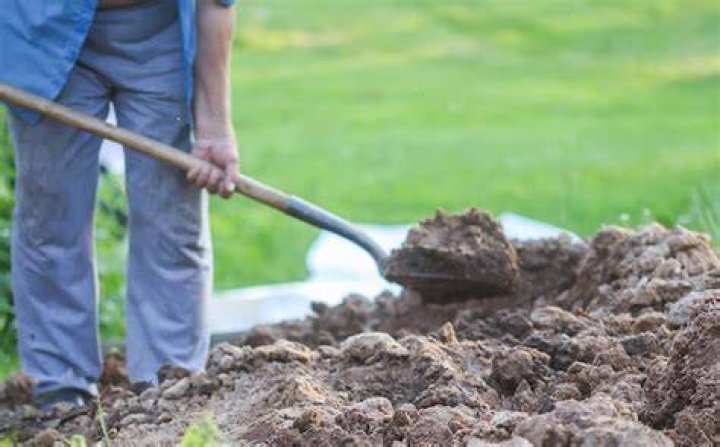
Azaleas have fibrous, shallow roots, so wet soil can easily damage those roots and deprive them of oxygen. “Azaleas won’t tolerate wet feet,” says Curtis, “so make sure the soil drains well when watering.”
Phytophthora, or water mold fungus, is a common culprit on over-watered, poorly drained azaleas. It’s much easier to prevent than it is to treat, so choose well-drained, well-aerated soil.
4 / 10
Family Handyman
How to Care for Azalea Soil
Azaleas like acidic soil and will not tolerate high pH soils, Curtis says. A range of 4.5 to 6.0 is ideal. Signs of high pH (soil that’s more alkaline than acidic) include yellowing leaves, or chlorosis.
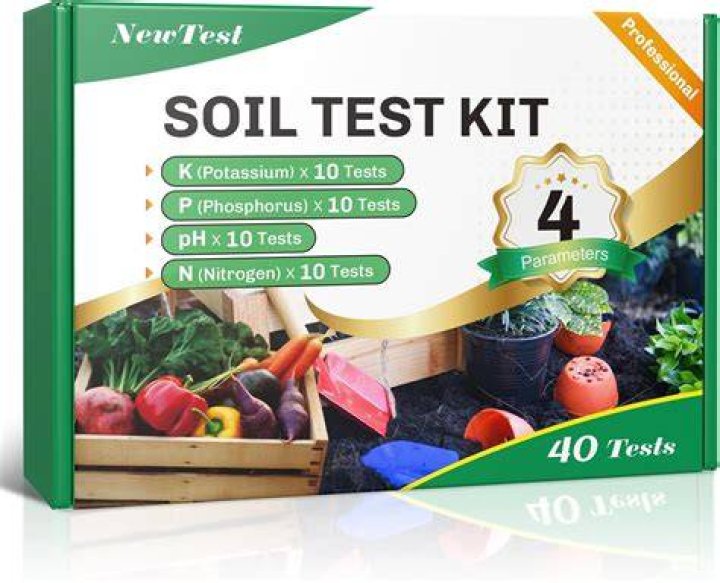
If you’re unsure of your soil’s pH, you can test it with an at-home kit or by submitting it to a lab. To make the soil more acidic, replenish it each spring with organic compost, which will raise the acidity.
5 / 10
KajaNi/Getty Images
Mulch in Moderation
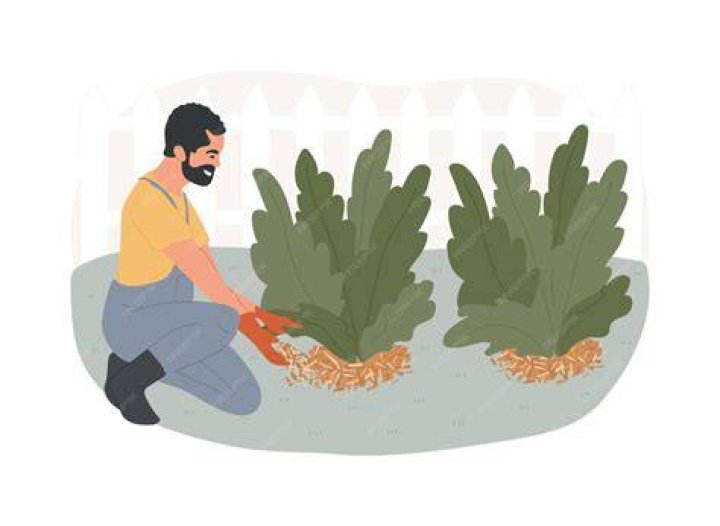
Mulch doesn’t just keep your garden and plantings looking neat and orderly; it helps increase soil acidity as it decomposes. Mulch also protects soil from extreme temperature variations.
Spring is the best time to mulch, although you might want to replenish a little in the fall to protect your plants from harsh winter weather. Curtis says to be sure not to pile mulch near the root crown, which could promote crown rot.