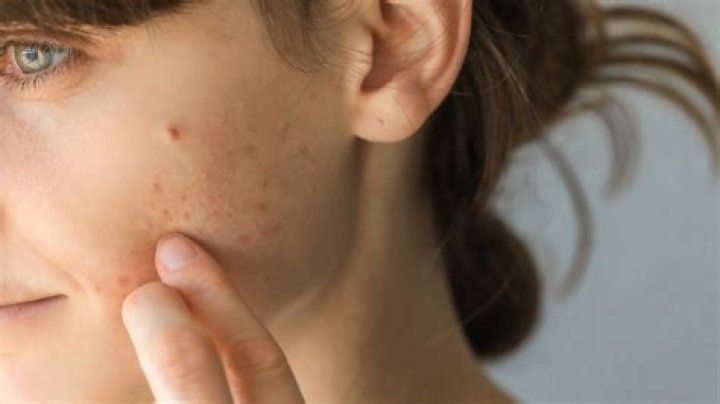


Biotin is usually well-tolerated and has few or no side effects. "If you take in more biotin than you need, your body doesn't store it," dietician Courtney Barth told the Cleveland Clinic. But even so, you might have heard that biotin supplements can trigger or worsen acne. The logic behind this claim is that biotin interferes with the absorption of pantothenic acid, or vitamin B5, a nutrient that promotes skin health and fights inflammation, explains a 2009 review published in the Journal of Nutrition.
However, these beliefs are based on anecdotal evidence. In fact, biotin may help treat comedonal acne by regulating sebum production, according to clinical research in the Italian Journal of Dermatology and Venereology. In another study, scientists investigated the effects of a topical cream versus a dietary supplement containing biotin, zinc, probiotics, and other nutrients. The latter treatment caused greater improvements in acne symptoms than the cream. What's more, biotin may help reduce skin irritation and flaking, according to a 2009 review in the Journal of Nutrition.
But again, the opinions are mixed. For example, nutritionist Vanessa Lee told Who What Wear that biotin can cause acne breakouts, especially when administered in high doses. Other experts interviewed by Who What Wear support these claims, saying that biotin supplements increase keratin production, which can result in hyperkeratosis, a risk factor for acne.