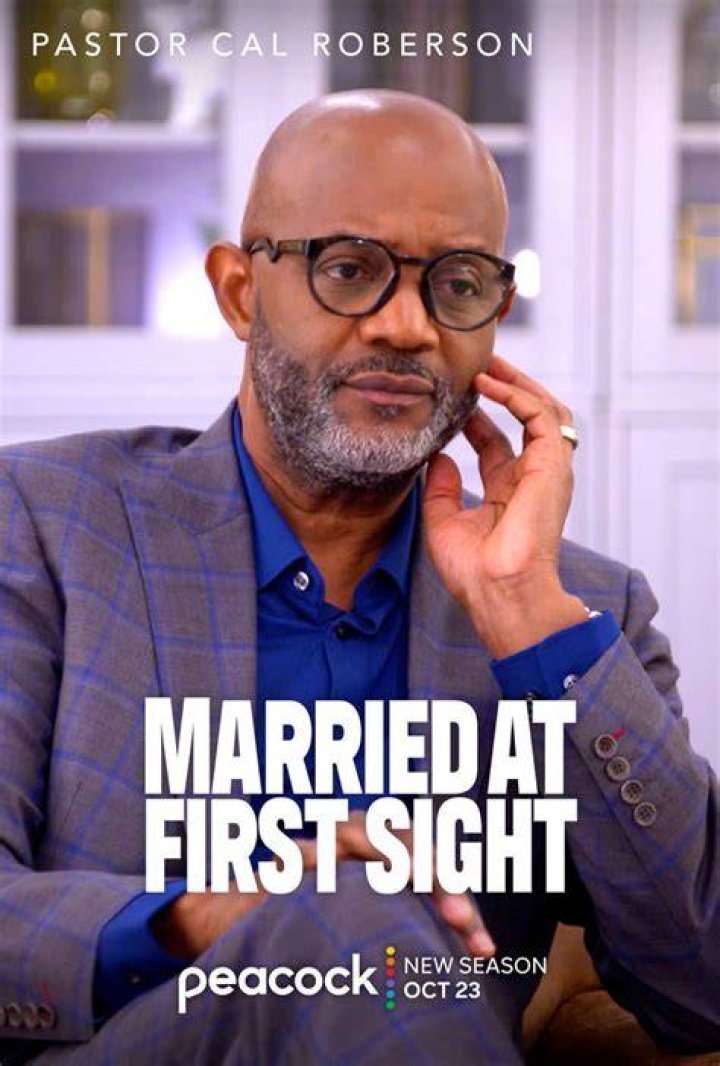


And what has "Married at First Sight" taught you about relationships? Have you learned anything new about relationships and how they work?
Oh, absolutely. Yeah, I've learned a lot. This has been an education for me as well, as I can speak for the other experts, also. It's been an education for them as well. It's sort of basically that you can have the best intentions, you can have the best preparation, you can prepare people for marriage as much as you want to, or you can be as incisive and as specific and you could just pull [out] all the stops and give them everything you have. Yet, when they actually say "I do," something changes. Something clicked.
And there's so many things you cannot account for, I can't account for. And people can tell you whatever they want to tell you, but you can never account for how they're going to react under the pressure of marriage. And I mean, the pressures of marriage bring a whole different dynamic to everyone's personalities. And it's something that you cannot predict, so I've learned you cannot predict how a person will act once they've married. You can make all the predictions you want about the kind of husband you're going to be and the kind of wife you're going to be. Once that thing actually happens, I think a lot of times you surprise yourself.
And what about relationship challenges? How do the relationship challenges on the show differ from those of the real-life couples that you've worked with?
Well, some things are similar, but the differences are this: First of all, it's a very accelerated process. These people are marrying, of course, someone that they've never seen. Now, it always happens that the couple says, "Wow, we have so much in common," or "We know so much about each other." Well, that's because we've done all the research, and we put them together. So, as a result, they are supposed to know each other. There are things that are compatible.
So, that's what happens on the show, the fact that people discover about each other after the commitment. It's like the commitment is first, and then you have to discover all the reasons you were matched, and that can bring about so many challenges and so many stressors, because if you're not really in this for the right reason, that discovery process, discovering about one another, it will break you.
But in traditional relationships and traditional marriages, it's a much more labored, a much longer approach. I mean, you meet each other, you date, you get to know each other, et cetera, et cetera. And then eventually you get to the point where you're married. Well, when I counsel those couples, there's a lot of history that I have to deal with. We can go back, we can deal with history. But I talk to these couples on the show, there's not a lot of history to deal with. So, they actually ... For those who succeed who are married at first sight, I give them so much credit. I give them so much credit because they obviously have some great coping skills. They're doing something that a lot of traditional marriages don't. You're married, you're seeing someone, you're marrying them, and you're making it work. I mean, think about it. Just what a phenomenal thing that is to marry someone at first sight, and then just stay together and you have children. I mean, that's just incredible.