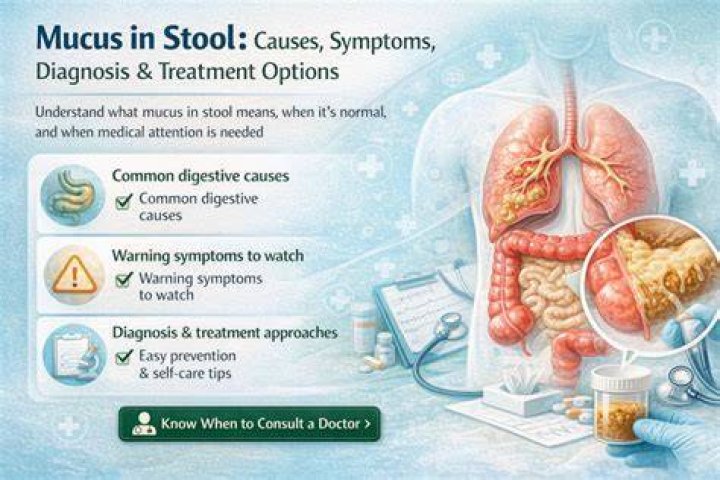


Ozempic is a medication commonly prescribed to individuals with type 2 diabetes to help manage blood sugar levels. While Ozempic is generally well- tolerated, some individuals may experience side effects, including mucus in stool. In this blog post, we will explore the potential causes, treatment options, and precautions for mucus in stool while taking Ozempic.
What is Ozempic?
Ozempic, also known as semaglutide, is an injectable medication that belongs to a class of drugs called glucagon-like peptide-1 (GLP-1) receptor agonists. It works by stimulating the release of insulin and reducing the production of glucagon, a hormone that raises blood sugar levels. Ozempic is typically prescribed alongside a healthy diet and exercise to help individuals with type 2 diabetes manage their condition.
Mucus in Stool: Causes
Mucus in stool, also known as mucous diarrhea, is a condition characterized by the presence of excessive mucus in the stool. While it can be a symptom of various underlying health issues, it is important to note that mucus in stool can occur as a side effect of taking Ozempic. Some potential causes of mucus in stool while taking Ozempic include:
-
Gastrointestinal Side Effects : Ozempic can affect the gastrointestinal system, leading to changes in bowel movements and the production of mucus in the stool.
-
Inflammatory Bowel Disease : In some cases, mucus in stool may be a sign of an underlying inflammatory bowel disease, such as Crohn's disease or ulcerative colitis.
-
Infection : Certain infections, such as gastrointestinal infections, can cause mucus in stool.
Treatment Options
If you are experiencing mucus in stool while taking Ozempic, it is important to consult a healthcare professional for an accurate diagnosis and appropriate treatment. The treatment options for mucus in stool may vary depending on the underlying cause. Some potential treatment options include:
-
Adjusting Ozempic Dosage : In some cases, adjusting the dosage of Ozempic may help alleviate the symptoms of mucus in stool.
-
Addressing Underlying Health Issues : If mucus in stool is a symptom of an underlying health issue, such as inflammatory bowel disease, the healthcare professional may recommend specific treatments or medications to manage the condition.
-
Lifestyle Modifications : Making certain lifestyle modifications, such as dietary changes and stress management techniques, may help improve bowel movements and reduce mucus in stool.
Precautions
While mucus in stool can be a side effect of taking Ozempic, it is important to note that not everyone will experience this symptom. If you are taking Ozempic and notice mucus in your stool, it is essential to consult a healthcare professional for personalized advice. They can evaluate your specific situation and provide guidance on the best course of action. Additionally, it is important to follow the prescribed dosage and instructions for taking Ozempic to minimize the risk of side effects.
Key Takeaways
-
Ozempic is a medication commonly prescribed to individuals with type 2 diabetes to help manage blood sugar levels.
-
Mucus in stool can occur as a side effect of taking Ozempic.
-
Potential causes of mucus in stool while taking Ozempic include gastrointestinal side effects, inflammatory bowel disease, and infection.
-
Treatment options for mucus in stool may include adjusting Ozempic dosage, addressing underlying health issues, and making lifestyle modifications.
-
Consult a healthcare professional for personalized advice if you experience mucus in stool while taking Ozempic.
Remember, taking control of your health is essential. If you have any concerns or experience any unusual symptoms, it is always best to consult a healthcare professional for personalized advice and guidance.