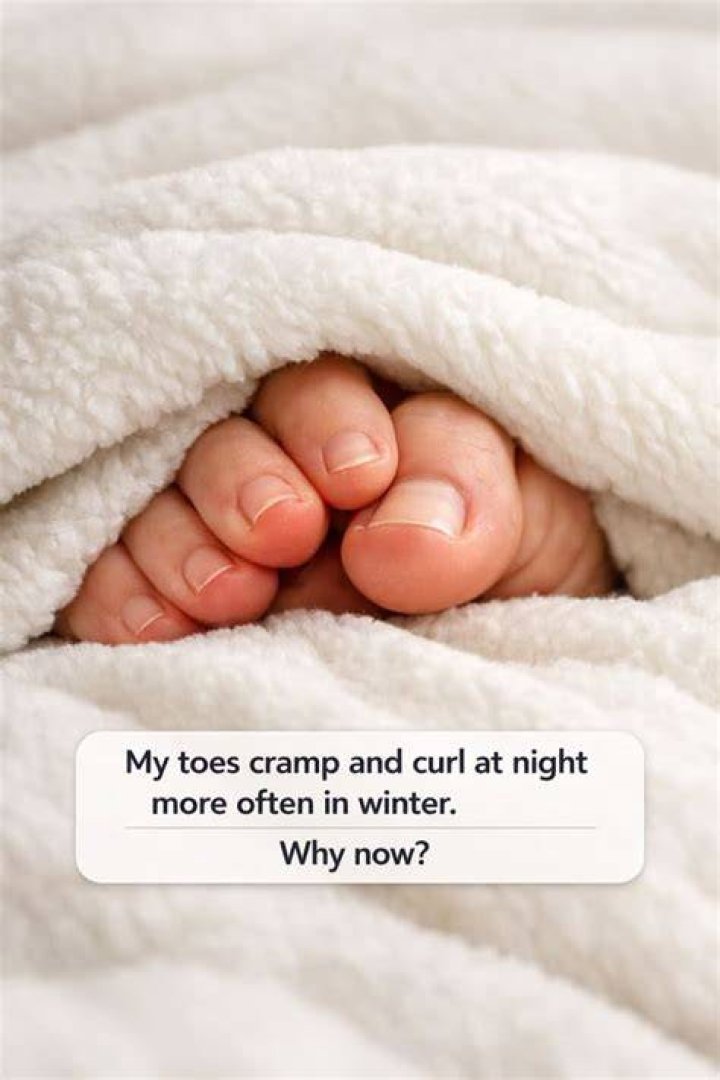

Have you ever woken up in the middle of the night with your toes curled up and unable to relax? If so, you're not alone. Many people experience toe curling at night, and it can be both uncomfortable and disruptive to your sleep. In this blog post, we will explore the causes of toe curling, discuss treatment options, and provide tips for prevention.
What Causes Toe Curling at Night?
There are several potential causes of toe curling at night. Some common factors include:
-
Muscle cramps: Toe curling can be a result of muscle cramps, which are involuntary contractions of the muscles in your toes. These cramps can be caused by dehydration, nutrient deficiencies, or overuse of the muscles.
-
Nerve damage: Nerve damage in the feet can lead to toe curling at night. Conditions such as peripheral neuropathy or nerve compression can affect the nerves that control the muscles in your toes.
-
Restless leg syndrome: This neurological disorder can cause an irresistible urge to move your legs, which can sometimes result in toe curling.
Treatment Options for Toe Curling
If you're experiencing toe curling at night, there are several treatment options that may help alleviate your symptoms. These include:
-
Stretching exercises: Gentle stretching exercises for your feet and toes can help relax the muscles and prevent toe curling.
-
Massage therapy: Massaging your feet and toes can help relieve muscle tension and reduce the likelihood of toe curling.
-
Medications: In some cases, your doctor may prescribe medications to help manage the symptoms of toe curling. These may include muscle relaxants or medications to address underlying conditions such as neuropathy.
Preventing Toe Curling at Night
Prevention is key when it comes to managing toe curling at night. Here are some tips to help prevent toe curling:
-
Stay hydrated: Dehydration can contribute to muscle cramps, so be sure to drink plenty of water throughout the day.
-
Maintain a balanced diet: Nutrient deficiencies can increase the risk of muscle cramps, so eat a diet rich in vitamins and minerals.
-
Avoid overuse of the muscles: If you engage in activities that put excessive strain on your feet and toes, take breaks and give your muscles time to rest.
Frequently Asked Questions
Q: Is toe curling at night a sign of a serious medical condition?
A: In most cases, toe curling at night is not a cause for concern and can be managed with lifestyle changes and home remedies. However, if you experience severe or persistent symptoms, it's important to consult with a healthcare professional.
Q: Can stress or anxiety cause toe curling at night?
A: While stress and anxiety can contribute to muscle tension, there is no direct link between these factors and toe curling at night. However, managing stress and practicing relaxation techniques may help reduce muscle tension overall.
Q: Are there any natural remedies for toe curling at night?
A: Some people find relief from toe curling by using natural remedies such as applying heat or cold packs to the affected area, taking magnesium supplements, or using essential oils for massage.
Conclusion
Toe curling at night can be a frustrating and uncomfortable experience, but there are steps you can take to manage and prevent it. By understanding the causes, exploring treatment options, and implementing preventive measures, you can improve your sleep quality and wake up pain-free. Remember to consult with a healthcare professional if you have any concerns or if your symptoms persist. Take control of your sleep and say goodbye to toe curling at night!